~ don't say no to distractions, say yes to interesting subjects
~ attraction towards the mindless is as old as time
Learning to live, then as now, is hard work.
the depth I preach, both in work and personal affairs, is not a default mode subverted only recently by new technology
~ you have to have counters for excuses well-memorized at the jump point
> You can step back onto the path of mastery anytime you want.
— The Slight Edge
~ productivity ebbs and flows
monk mode
gumption trap
situation that kills your motivation (/flow) while working towards a goal
After Action Report
After Action Reports (AARs), which serve as live autopsies. We do them no matter the outcome, and if you’re analyzing a failure like I was, the AAR is absolutely crucial.
— 📖 Can't Hurt Me
everything worth doing is worth doing well / everything worth doing is worth doing badly
~ resistance seems to come from outside, but it doesn't
resistance seems to come from outside ourselves. We locate it in spouses, jobs, bosses, kids. “Peripheral opponents,” as Pat Riley used to say when he coached the Los Angeles Lakers. Resistance is not a peripheral opponent. Resistance arises from within.
— 📖 War of Art
> An artist gives all they have to the art
— Blue Eye Samurai
> Deep work is not natural. It’s not going to be your first instinct when asking “what should I do next?”
— Cal Newport
False hope syndrome
It’s only when we are feeling out of control and in need of another hit of hope that we’ll once again vow to change—and start the cycle all over. Polivy and Herman call this cycle the “false hope syndrome.”
— 📖 The Willpower Instinct
shiny object syndrome
lower the bar
(to fight writer's block/perfectionism)
- idea from 📖 Writing Tools - 50 Essential Strategies for Every Writer
self-regulatory exertion
Most knowledge work that we do today requires some element of what psychologists call ‘self-regulatory exertions’. This is our ability to control our behaviour, thoughts and feelings.
— 📖 Feel-Good Productivity
- see also willpower depletion theory
~ incomplete things drag you down
Each and every incomplete thing in your life or work exerts a draining force on you, sucking the energy of accomplishment and success out of you as surely as a vampire stealing your blood. Every incomplete promise, commitment, or agreement saps your strength because it blocks your momentum and chokes off your ability to move forward, progress, or improve.
— The Slight Edge
~ committing to do an habit daily means there will be slip ups
— “Write Every Day” is Bad Advice — Hacking the Psychology of Big Projects
...and streaks become more "emotionally dangerous" (when they fail) the longer they go on...
~ work accomplished = time x intensity of focus
— Cal Newport
I think most knowledge workers probably way overestimate how much time they actually spend improving and applying the core skills that make them valuable
→ count your hours, maybe
remember the hockey stick
goes slow at the beginning, then faster and faster (as long as it's actually exponential, which not all things are)
~ hard to make a change, harder to stick to it
— 📖 Hooked
research mode
- you're stuck for hours and hours researching how to make youtube videos, which isn't making youtube videos
- concept from 📀 5 painful truths that will kick you into action (If you're stuck in a rut)
~ analysis paralysis is dangerous in strategy searching
One reason that we avoid choosing a strategy is that we’re not comfortable walking away from all the other possible strategies. Rather than celebrate the paths not taken, we take no path at all.
— 📖 This Is Strategy
~ don't make complex plans ignoring the emotions of performing
> If you do not work on an important problem, it's unlikely you'll do important work
— You and Your Research
restart complexity
how much effort, thought and labor does it cost to get the system back up and running once abandoned?
- common reason of system failure (and not a high threshold required)
- known it from 📰 Apply Weakest Link Theory to To Productivity Systems
~ use weekly planning as a method to squelch unrealistic expectations
Mixed Feelings Park
when you procrastinate a lot first, then do your thing, but the time waste was huge, and so the outcome is so-so
— concept from How to Beat Procrastination (waitbutwhy)
new-to-do-app effect
- "this new app will fix everything"
- however, you can utilize this — this initial burst of energy is not without value
project churn rate
a concept from Cal Newport, essentially asking "how many projects are you getting done per time unit?"
~ making people change intentions is easy, making them change behavior is not
and: ~ medium-to-large intention change leads to small-to-medium behavior change
— 📝 Does changing behavioral intentions engender behavior change﹖ A meta-analysis of the experimental evidence.
~ working 10% more produces twice the output
Given two people of approximately the same ability and one person who works ten percent more than the other, the latter will more than twice outproduce the former
> Time without attention is worthless, so value attention over time.
— Tim Ferris
~ committing to something unimportant does not make it important
> cull your inputs
~ if you consume a piece of content, you must take an action before consuming another
Everything worth doing is worth doing well vs. Everything worth doing is worth doing badly
~ ask﹕ are you productive or just active﹖
— 4-Hour Work Week
slight edge approach
unachievable goal/moonshot
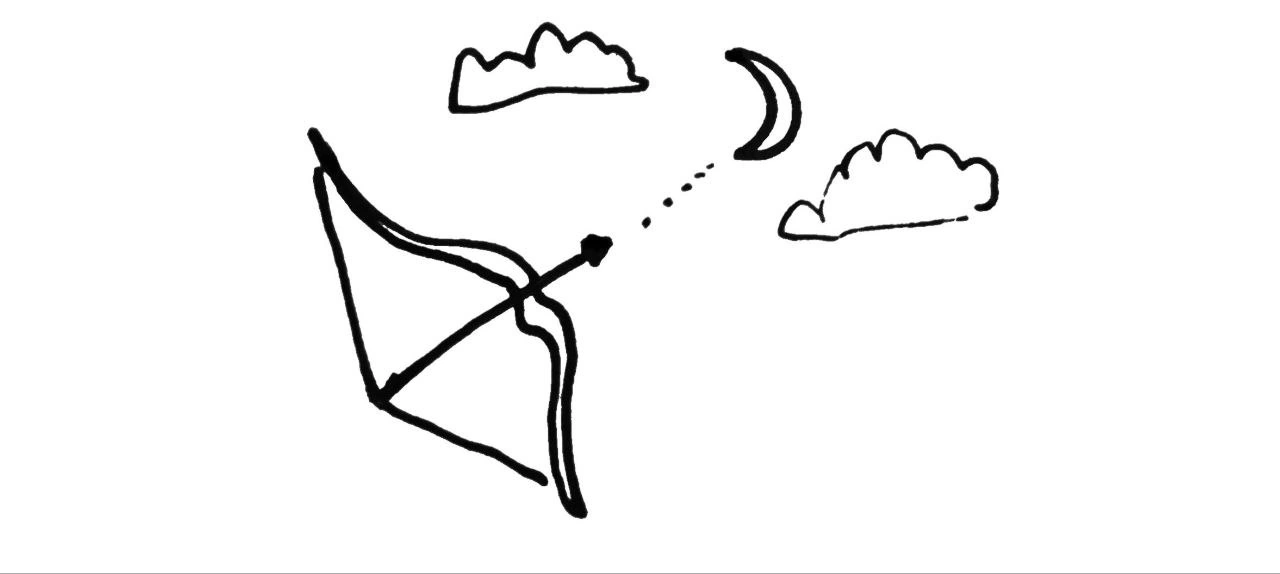
~ build input-output loops
~ we are wildly optimistic in predicting how productive we will be in the near future
— 2011 📖 The Willpower Instinct
build i⧸o loops, not sandcastles
one day break becomes two days becomes indefinite
accountability partner
streaks have very high emotional restart cost
~ do it ironically
— video
Hemingway Bridge
-
stop working only when you know what the next step will be
-
mentioned in 📖 Building A Second Brain
~ reduce number of decision you have to make
— Roy Baumeister (?)
jump point
- when doing something (/starting something), there comes a critical point where you have to "jump", and any strategy or tactic that is not super basic will not help you
- as in: drawing a complex flow chart with your gym plan for the next 5 months will not help you in that very moment where you have have to stop Netflix and get up
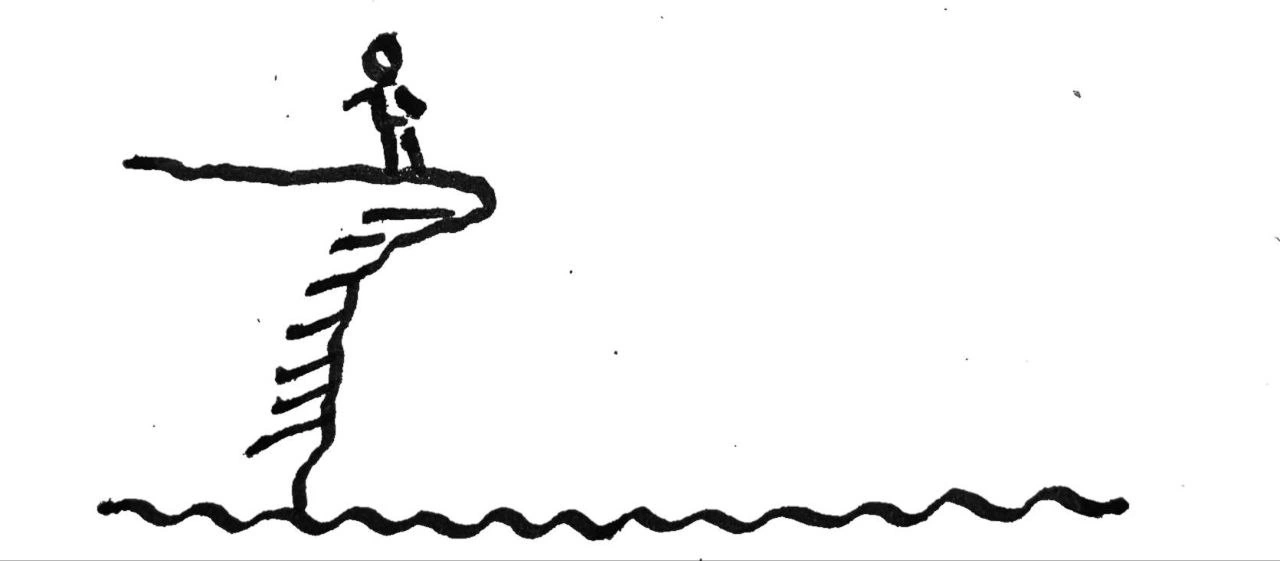
- concept by James Lim
input-orientation
- thinking about productivity in terms of input, e.g. > The one thing we control is the time we put into a task
~ to guard your focus, sweep for mines
Sweep for mines. Turn off your phone, shut down your e-mail, and exit your Internet browser. Your most important work deserves 100 percent of your attention.
— 📖 The One Thing
~ do not confuse movement with progress
- from this HN comment
just do it
So stop thinking about it. Stop dreaming about it. Stop researching every aspect of it and reading all about it and debating the pros and cons of it … Start doing it.
— 📖 Discipline Equals Freedom
productivity hacking tarpit
- from this HN comment
dopamine detox
> To initiate action, doing must be easier than thinking
— 📖 Hooked: How to Build Habit-Forming Products
on good days, MVP Habit will feel silly
specify behavior in advance instead of resisting temptation all day
Participants proved far more likely to eat healthy, low calorie foods when they were asked in advance to specify precisely what they intended to eat for each of their meals during the day, rather than using their energy to resist eating certain foods all day long.
— 📖 The Power of Full Engagement
> You have around 2 weeks before you lose motivation to work on something
> You can’t call something a distraction unless you know what it’s distracting you from
— Indistractable